Read in the language you think in
By Eugenio Giordano ·
You learned English well enough to work in it. To email in it, argue in meetings in it, scroll in it until midnight. So when the book everyone is talking about comes out in English, you read it in English. It feels like the serious choice.
Then you reach page forty and notice you have been translating, not thinking. Each sentence lands half a beat late. You understand the words. The idea is still standing in the hallway, waiting to be let in.
That is not a failing. It is friction, and friction compounds. A little extra effort per paragraph turns into a book that moves to the nightstand and quietly stops moving at all.
Fluent is not the same as at home
There is a difference between a language you can work in and a language you think in. The first one gets things done. The second one is where ideas actually move in and rearrange the furniture.
Most of us never get to choose. A book exists in the language it was published in, and the version in your first language arrives years later, if it arrives at all. So we take whatever is on the shelf and call the struggle discipline.
But understanding was always the point. Not proof that you could get through it.
Let the idea come to you
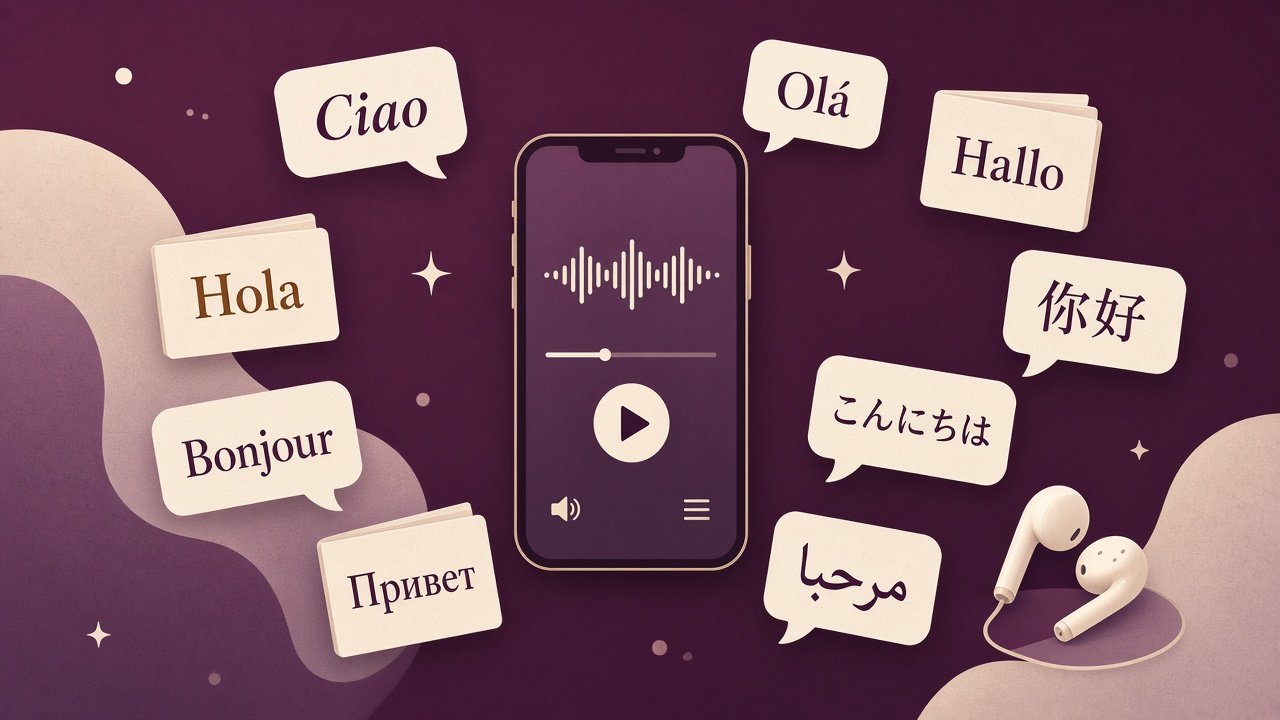
Summaia is built for that. Pick any book and we generate an AI audio summary in minutes, in 40+ languages. Your first language, your partner's language, the one your grandmother still uses on the phone. No waiting for a translation that may never come. No settling for a different title because yours is missing.
You choose the length too. Short when all you have is the walk to the station. Longer when the evening is yours. Hands free, so the idea can arrive while you cook, drive, or lie on the sofa with your eyes closed.
And if you want to keep sharpening your second language, go ahead. Listen in English one day and in Spanish the next. The language becomes a setting you pick, not a wall you climb.
Comfort is not cheating
There is a quiet belief that if learning feels easy, it must not count. That the harder road is the honest one.
It is not. The honest road is the one where the idea actually reaches you, sticks, and shows up later in a conversation or a decision. If that happens faster in the language you dream in, take it.
You do not owe a book your struggle. You owe yourself the idea.